
Tree Portraits
The Cultural Construction of Landscape in Romanian Drawing (1850–1920)
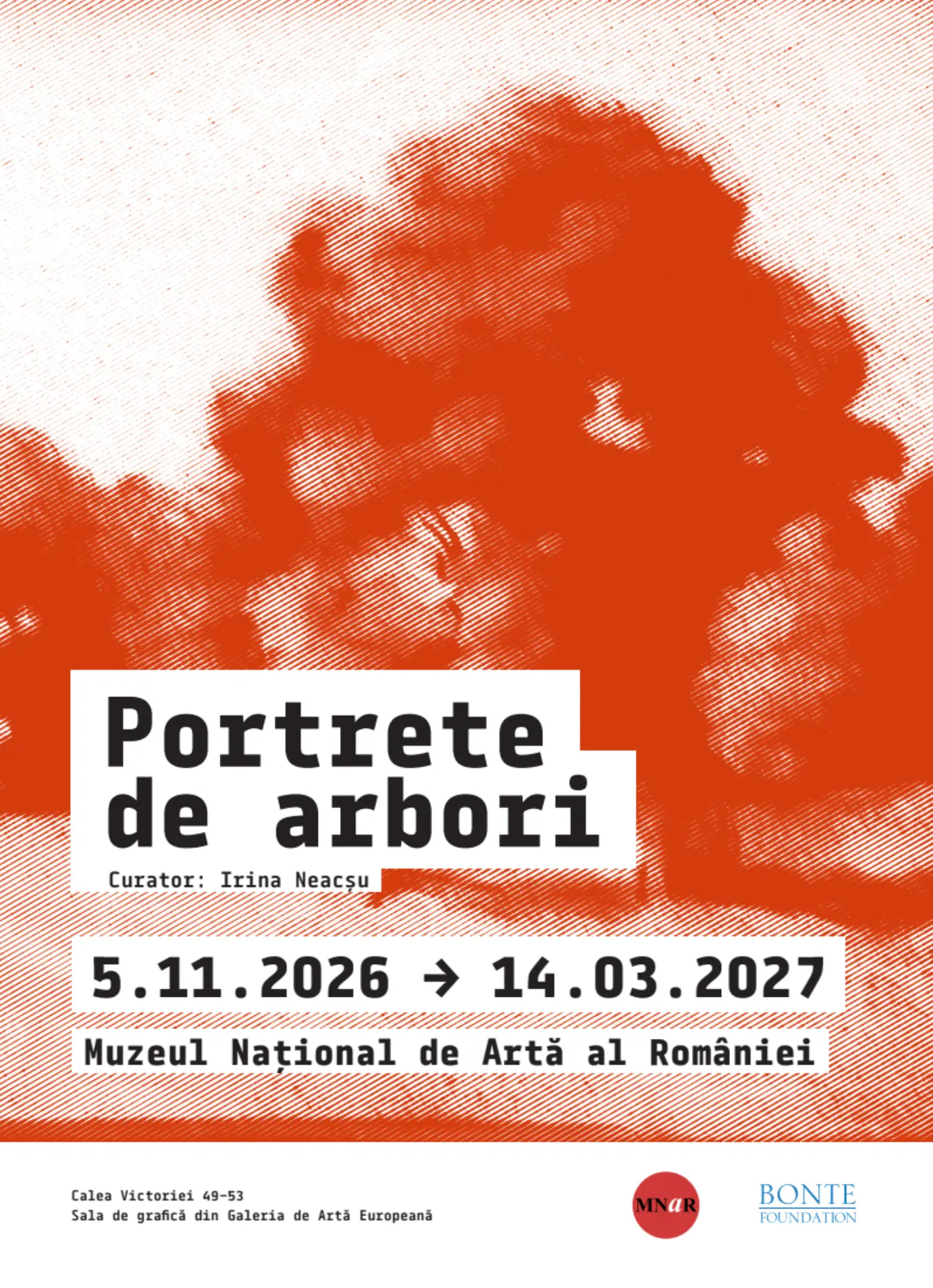
Tree Portraits explores the representation of trees in Romanian art between 1850 and 1920, examining their transformation from elements of landscape scenery into subjects of artistic observation, cultural memory, and symbolic significance.
Bringing together historical drawings and graphic works, the exhibition traces the changing perception of nature across a period marked by modernisation, shifting cultural identities, and the emergence of landscape as an independent artistic genre. From cultivated gardens and rural orchards to forests, mountains, and coastal landscapes, trees become witnesses to the evolving relationship between people, place, and the natural environment.
The exhibition draws upon Irina Neacșu’s doctoral research into tree portraiture and the cultural construction of landscape, offering a new perspective on the role of botanical forms in Romanian visual culture.
The exhibition draws upon Irina Neacșu’s Bonte Fellowship research conducted at the National Museum of Art of Romania in 2025–2026. Conceived as a visual extension of the accompanying book, Tree Portraits: The Cultural Construction of Landscape in Romanian Drawing (1850–1920), it translates the research into an exhibition narrative, highlighting the artistic, historical, and cultural significance of trees in Romanian landscape representation.
The opening on 5 November 2026 also marks the launch of the accompanying illustrated book, Tree Portraits: The Cultural Construction of Landscape in Romanian Drawing (1850–1920), authored by Irina Neacșu and co-financed by AFCN. Bringing together historical images and art-historical research, the publication extends the exhibition’s exploration of trees as both artistic subjects and cultural landmarks.
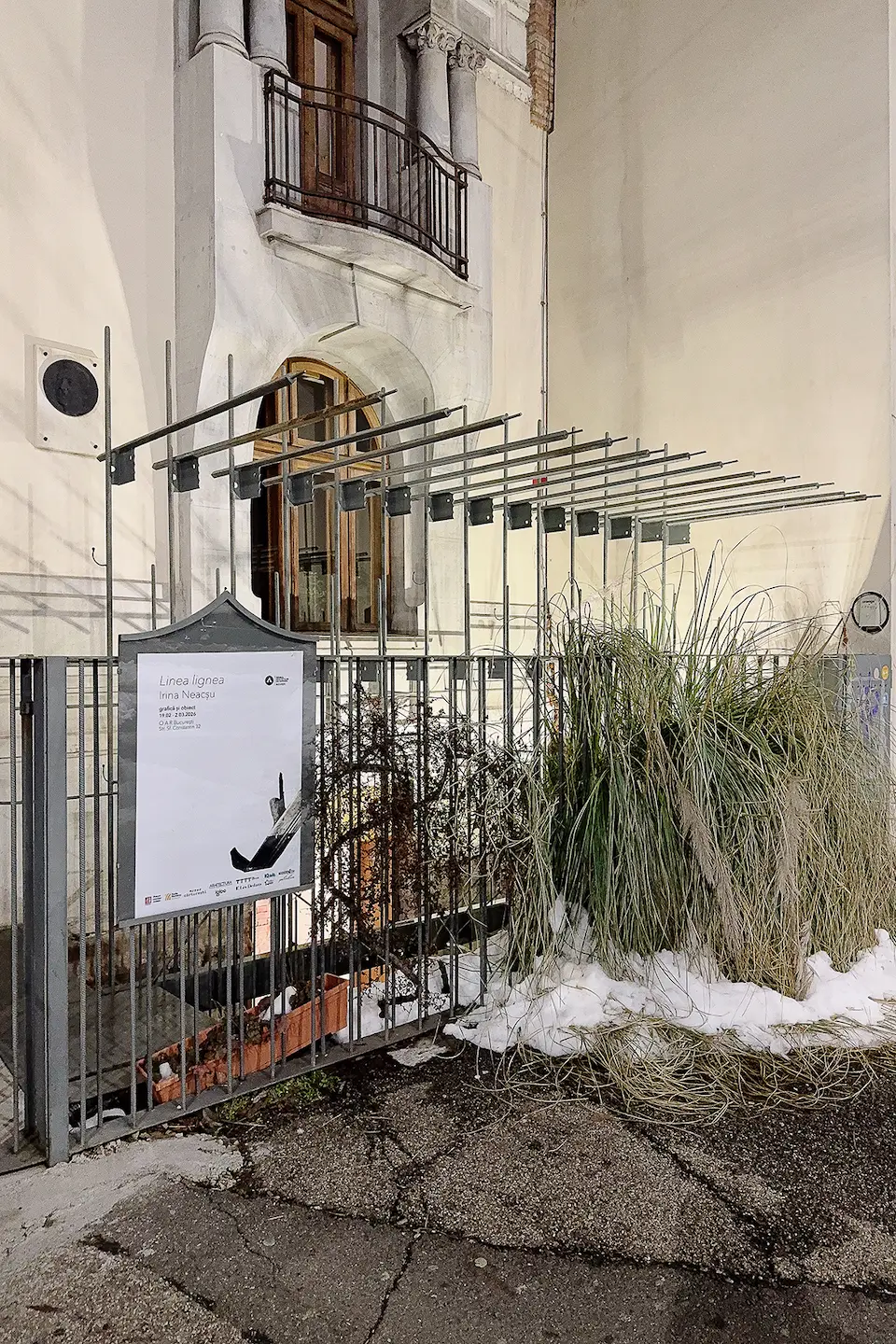
Linea lignea
Solo Exhibition | 2026–2027
OAR Bucharest, Expohub | February 2026
King Charles III's House, Viscri | September 2026 – January 2027
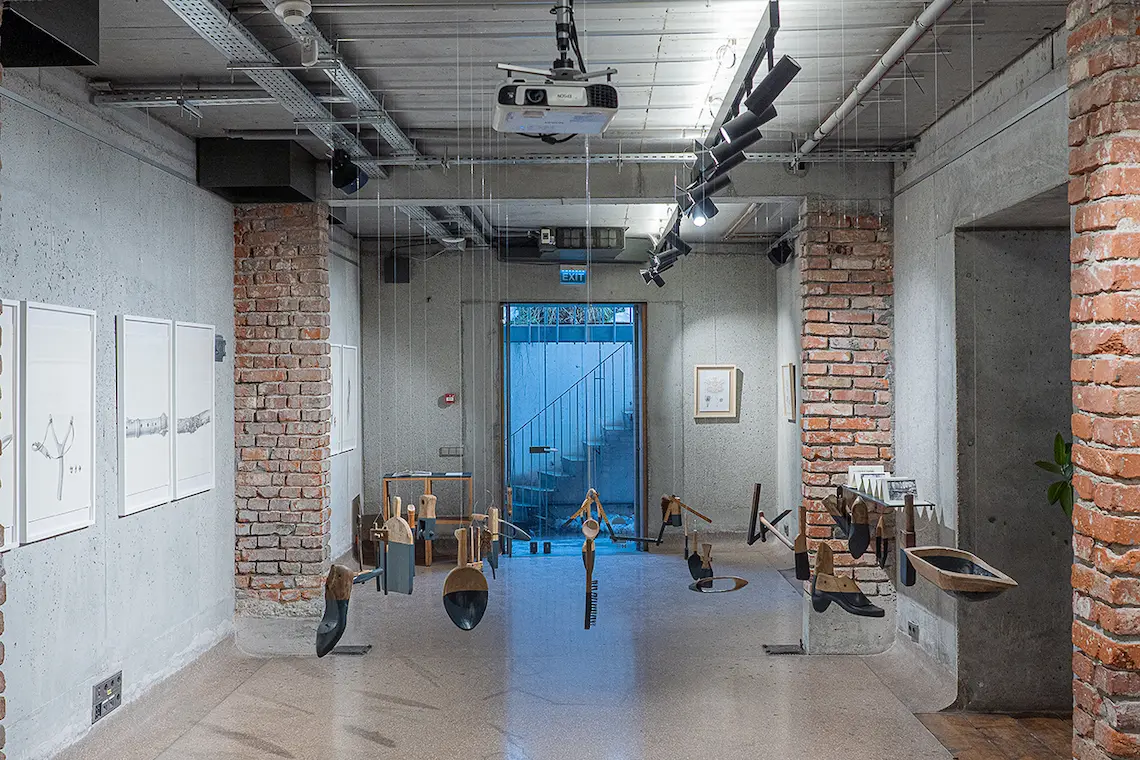
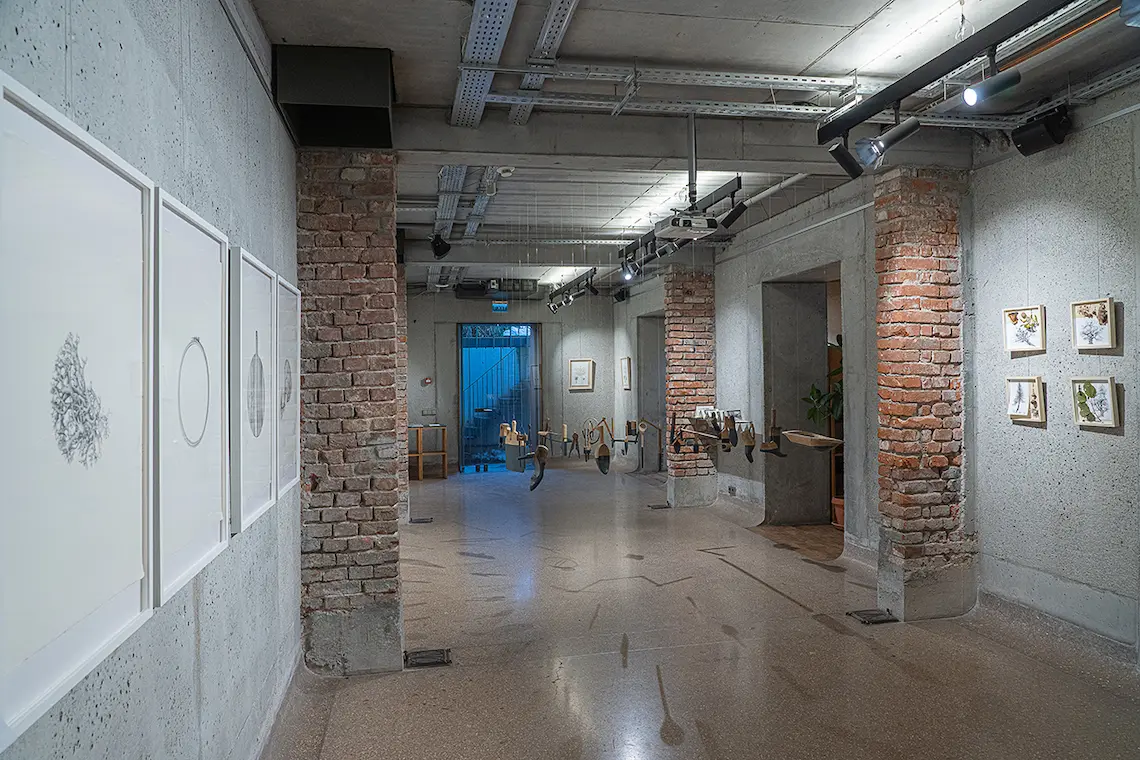
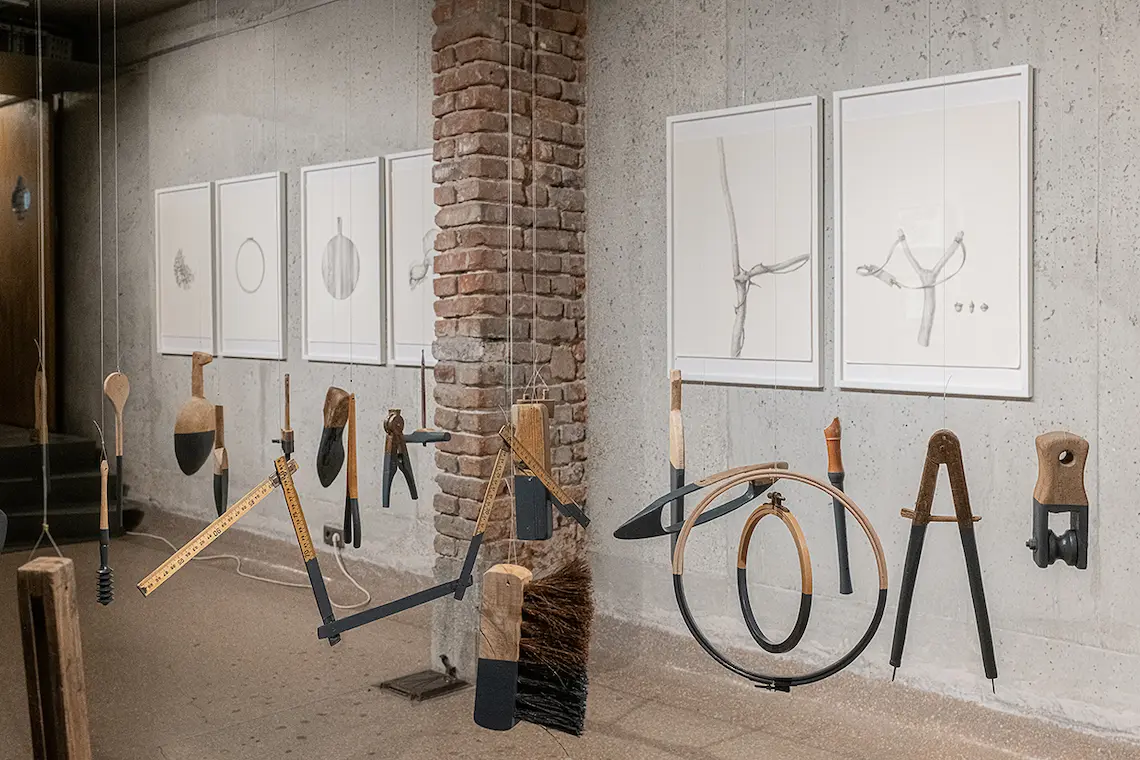
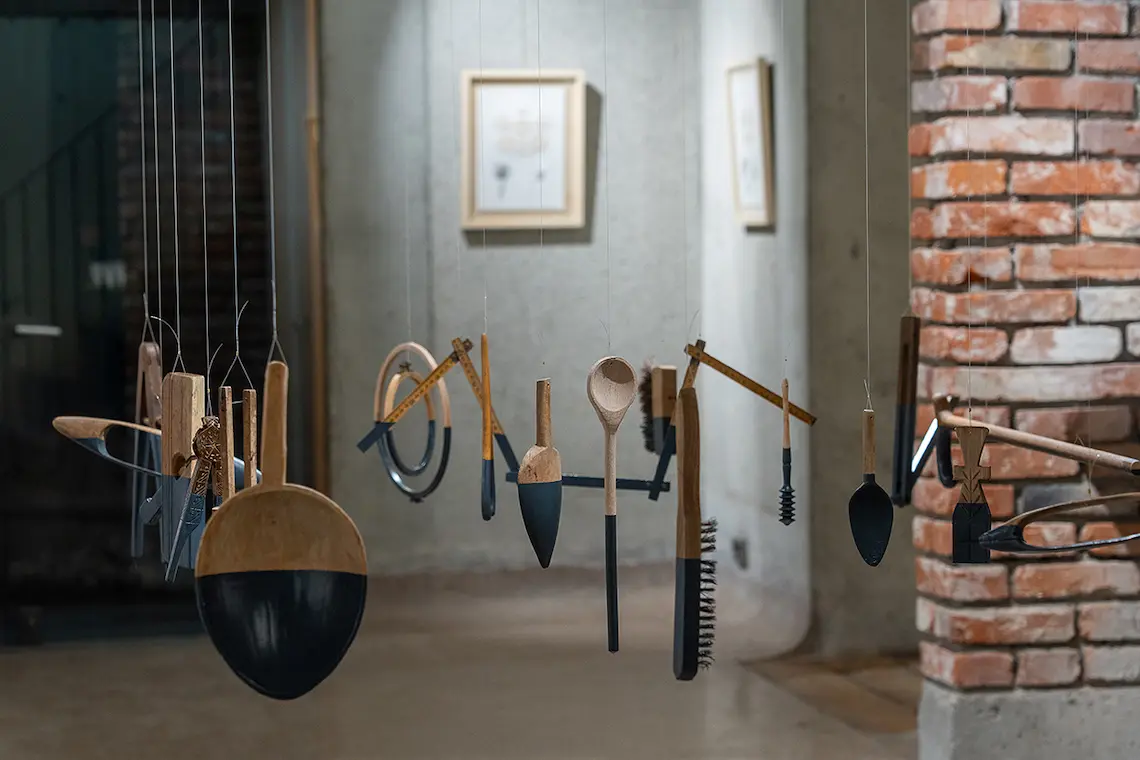
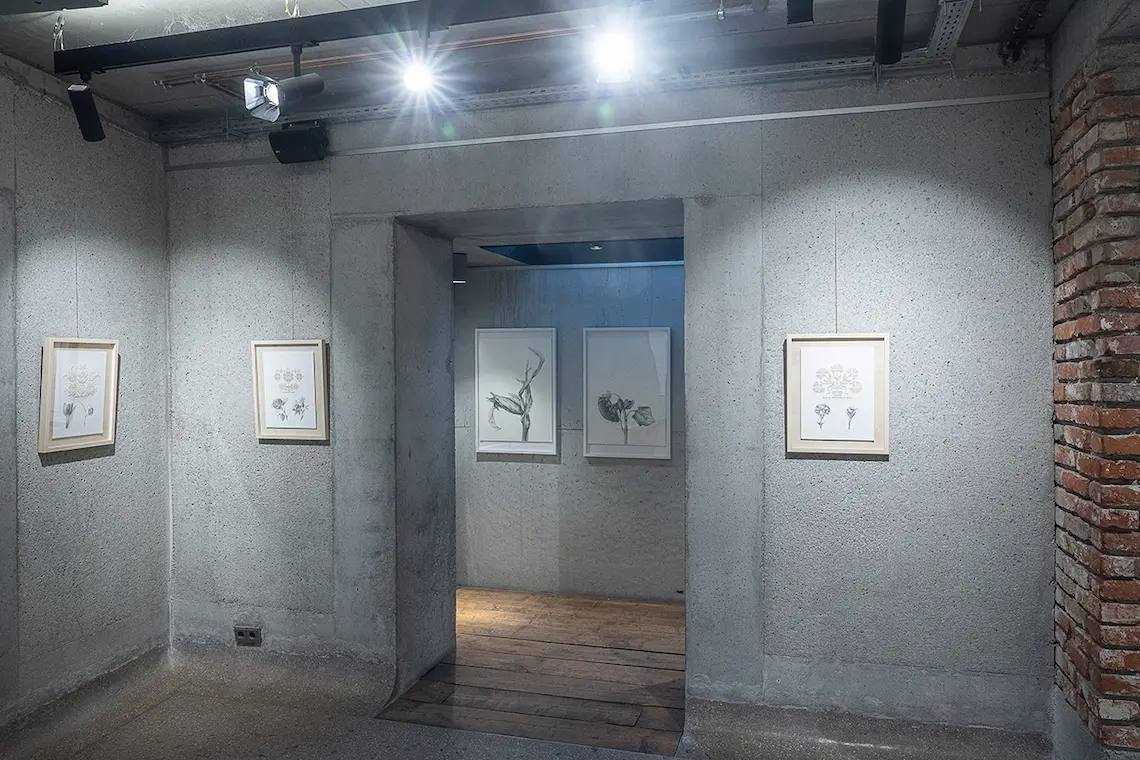
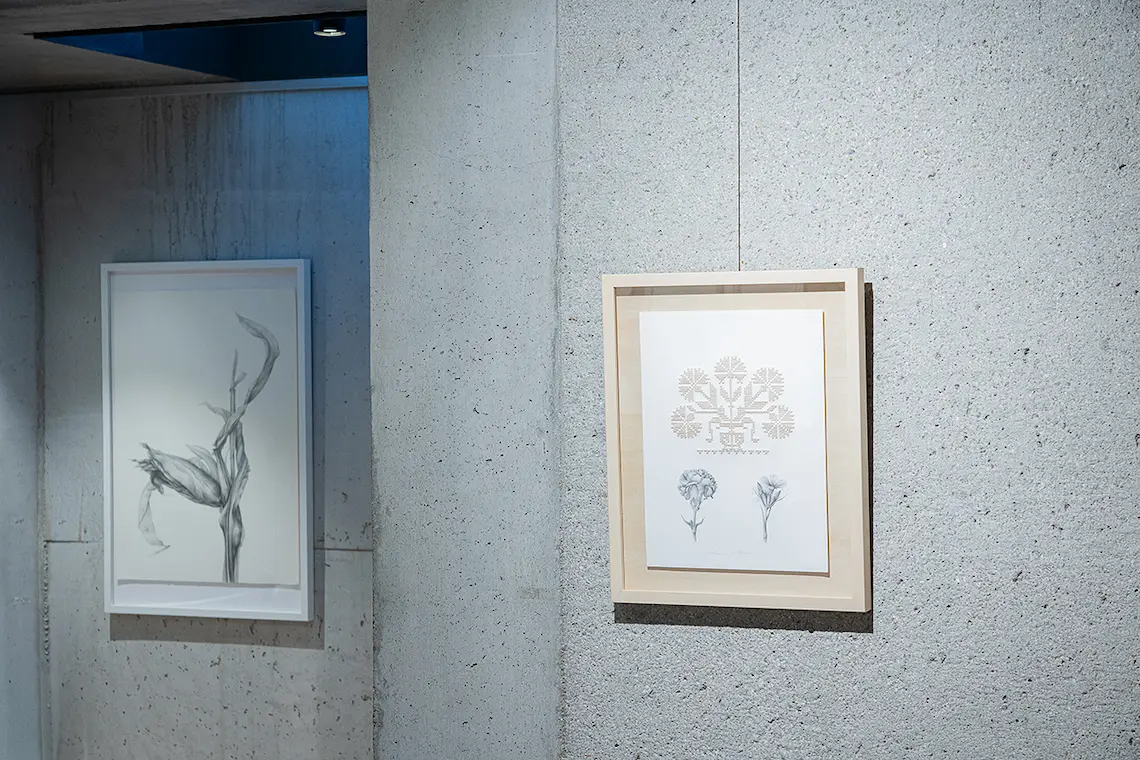
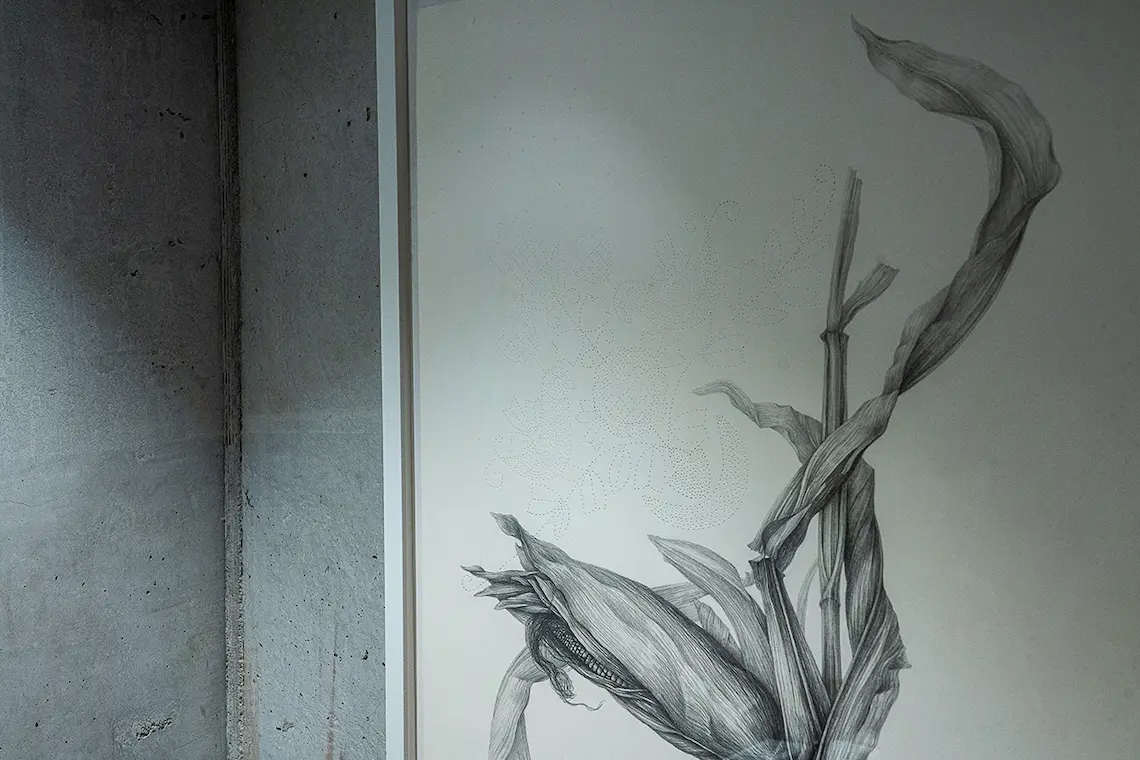
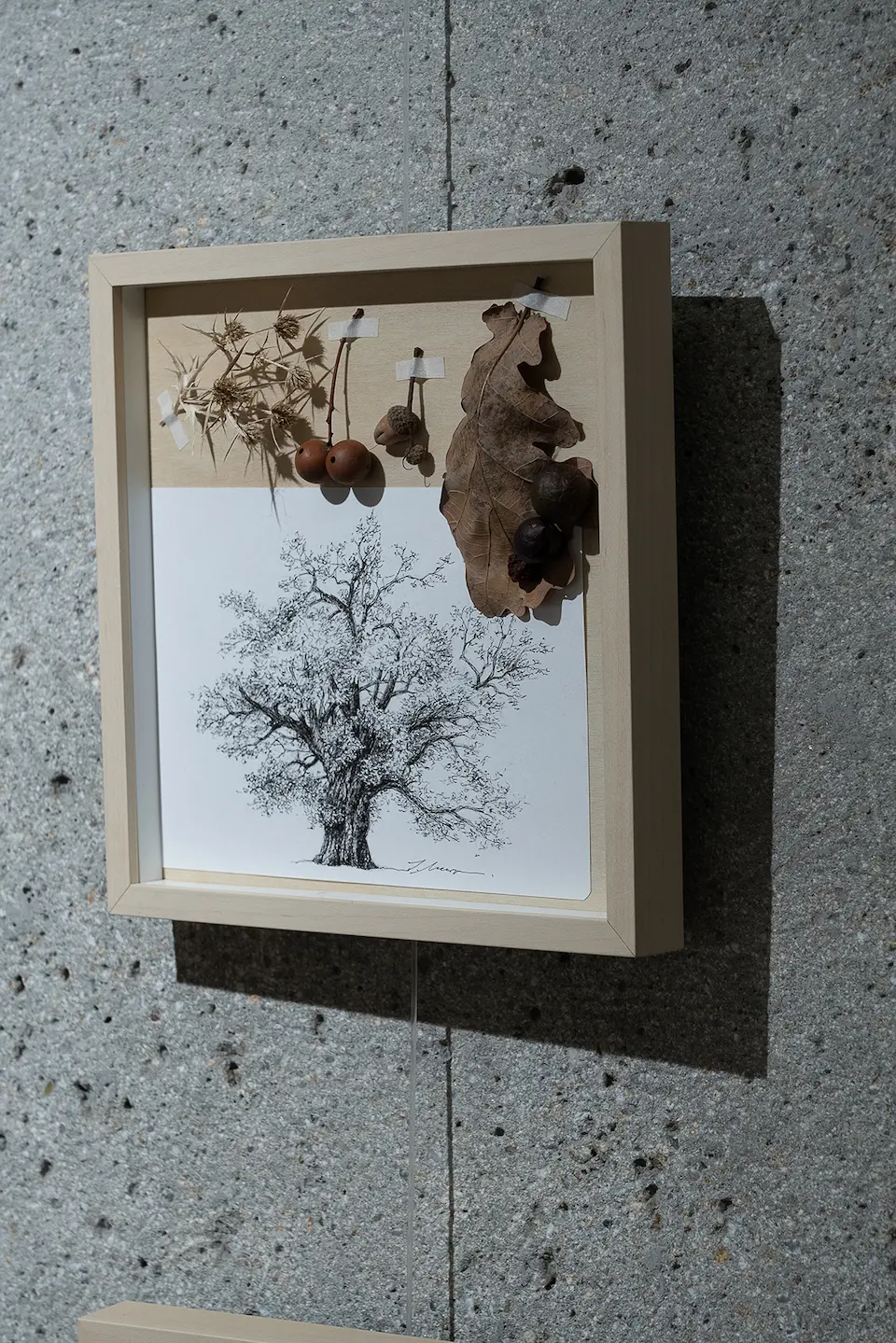
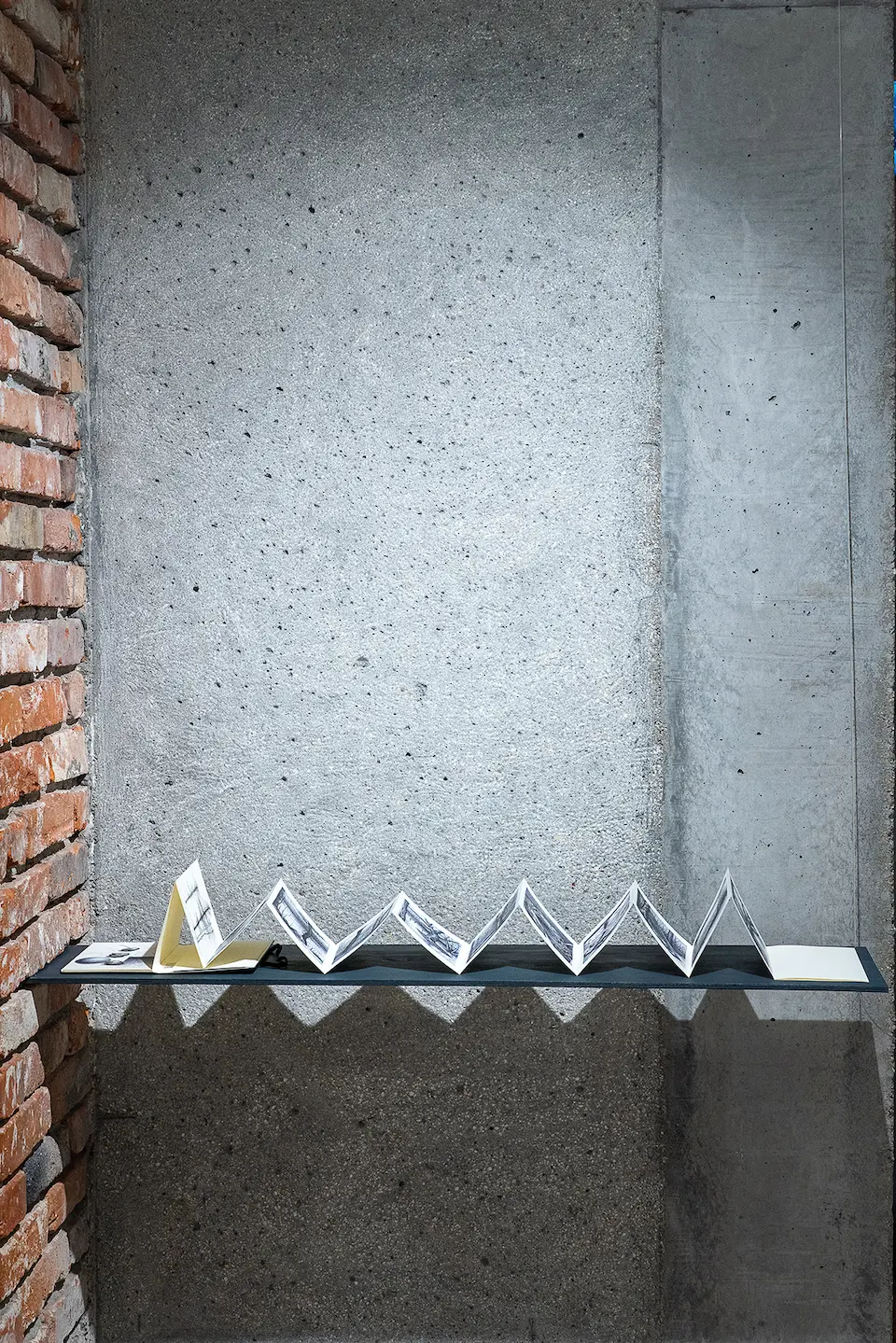
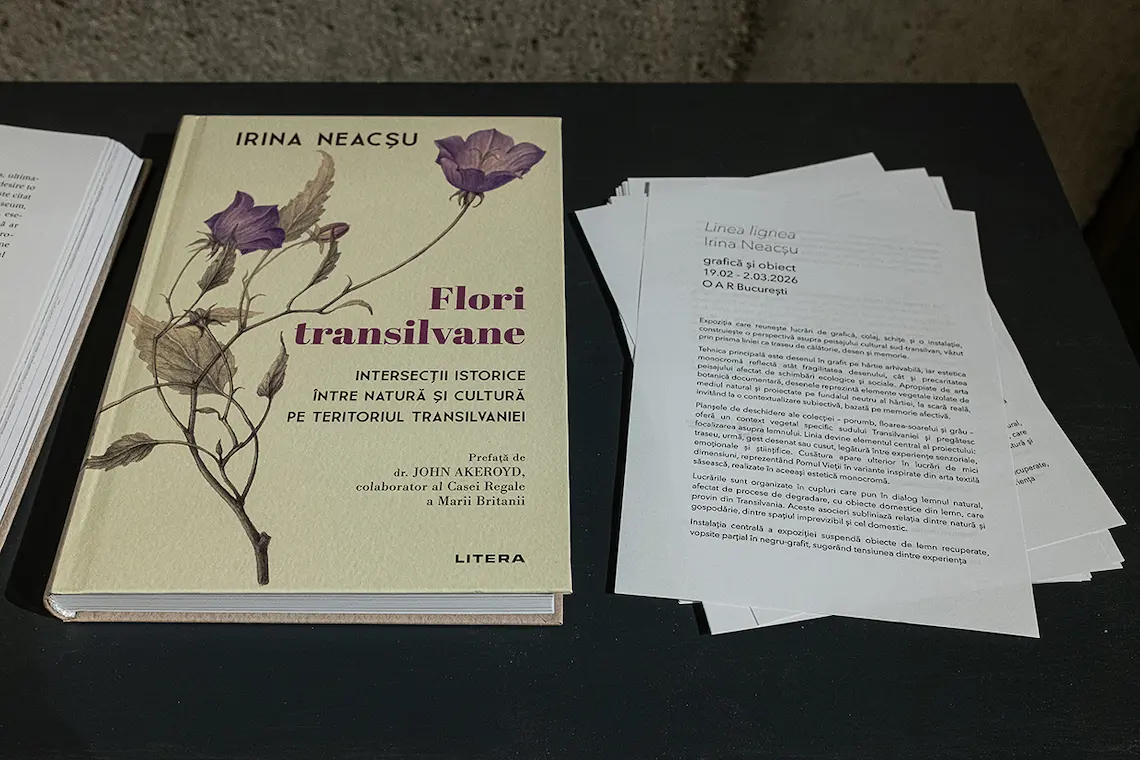
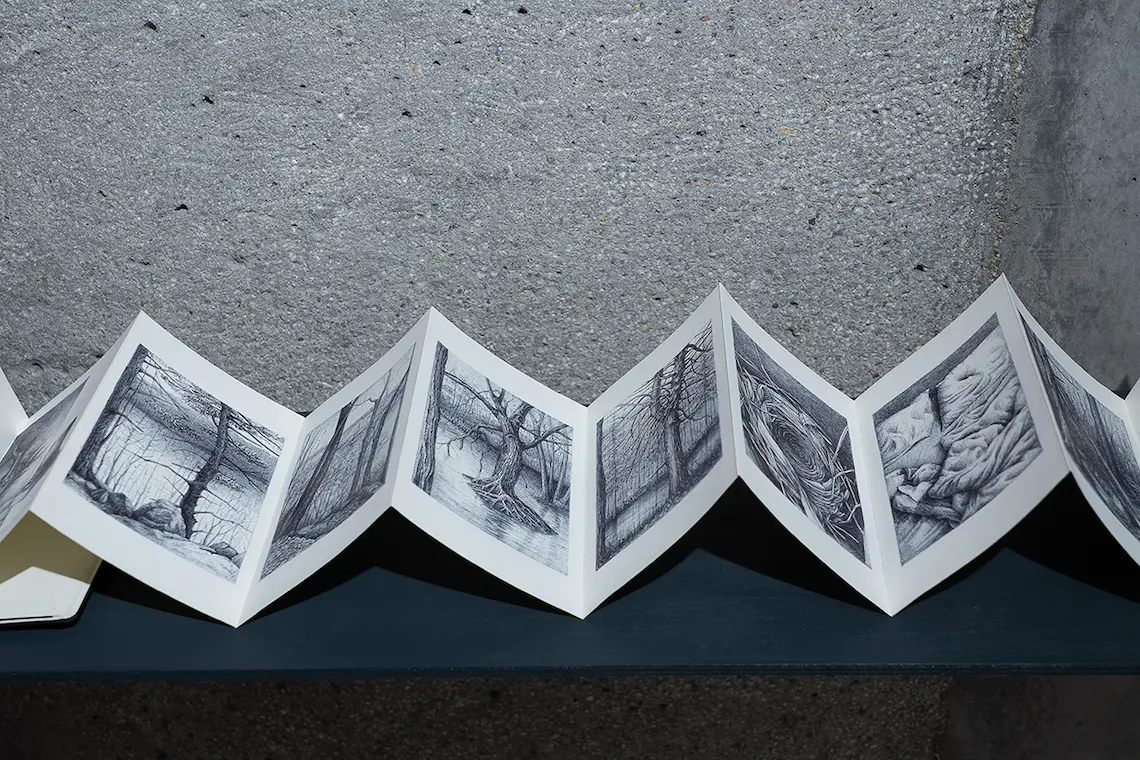
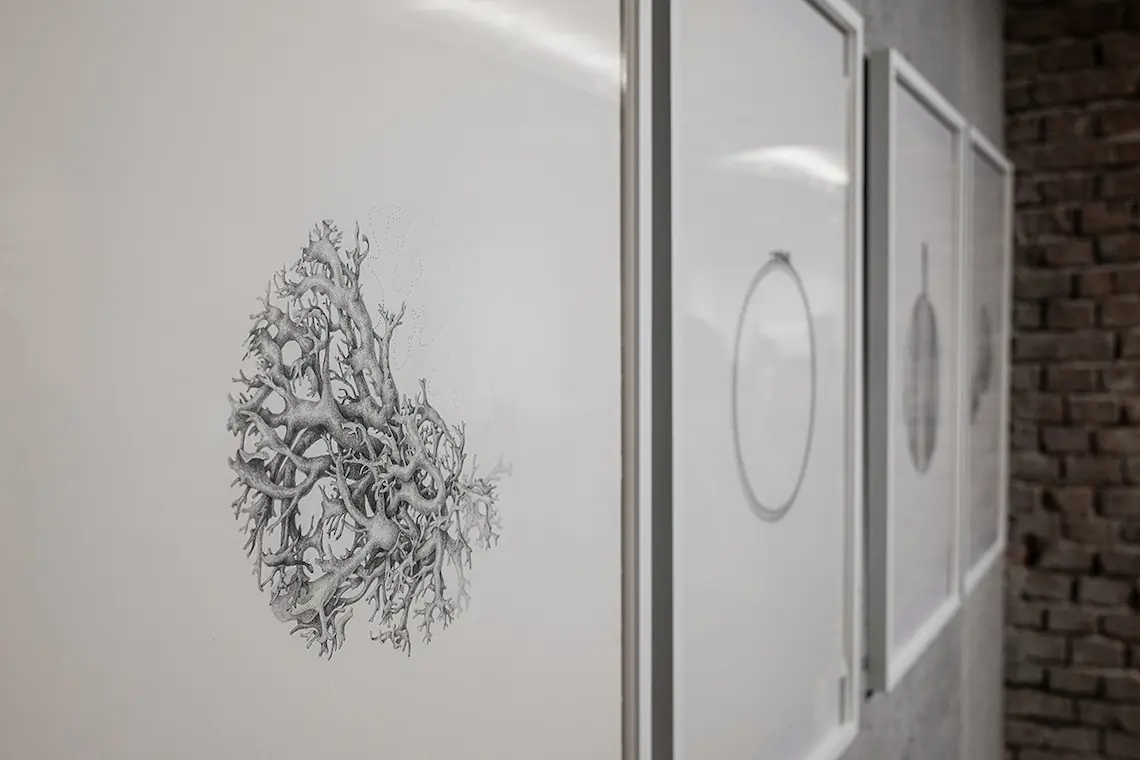
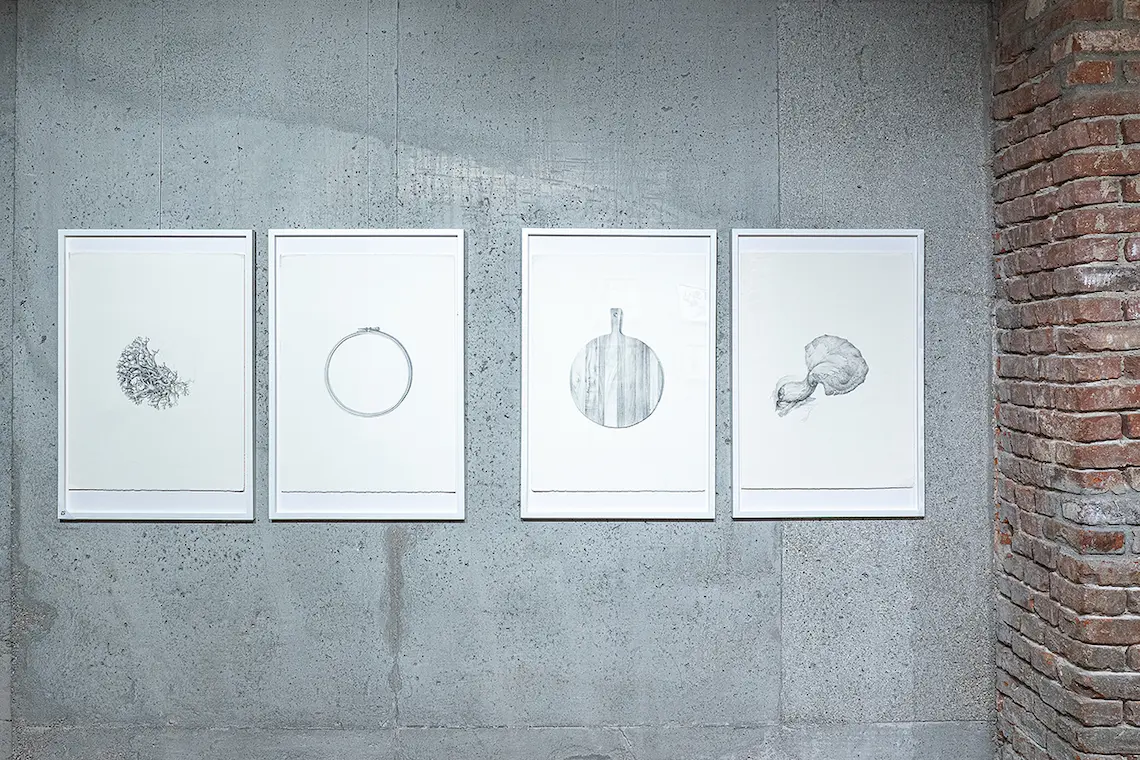
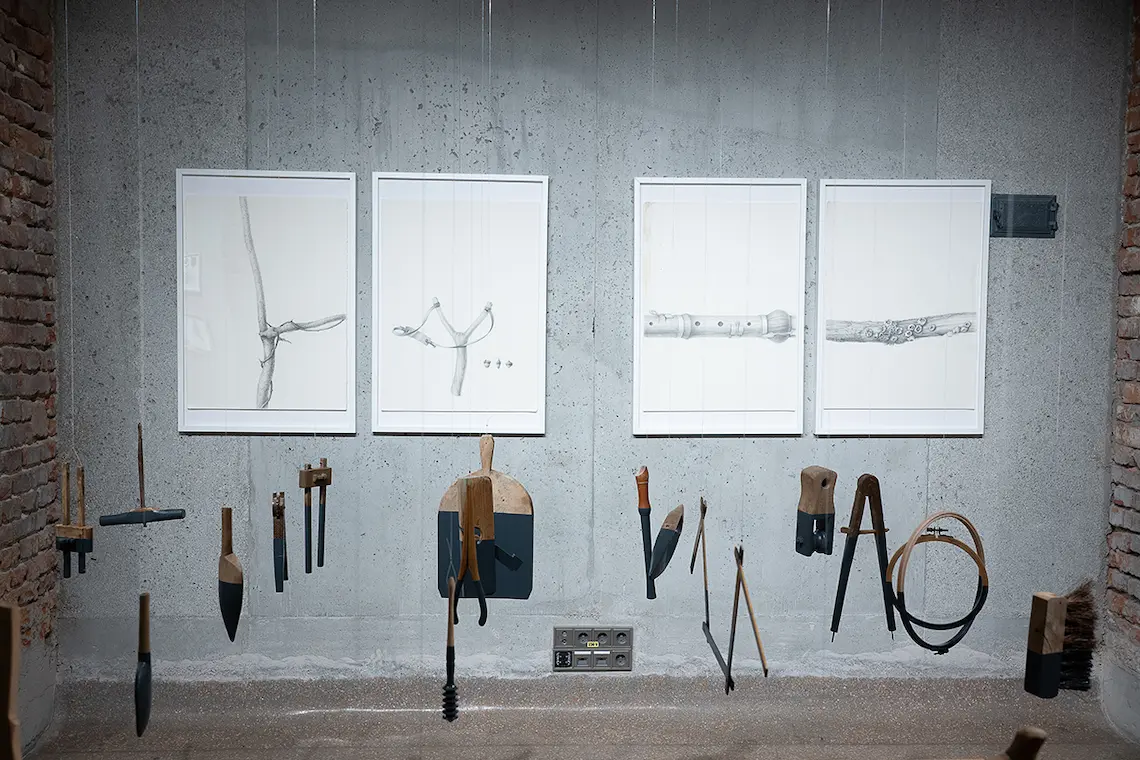
Linea Lignea explores the fragile relationship between nature, cultural memory, and the changing landscapes of Southern Transylvania. Bringing together large-scale graphite drawings, botanical studies, collage, embroidery, and found wooden objects, the exhibition investigates the line as both an artistic gesture and a metaphor for continuity, transformation, and loss.
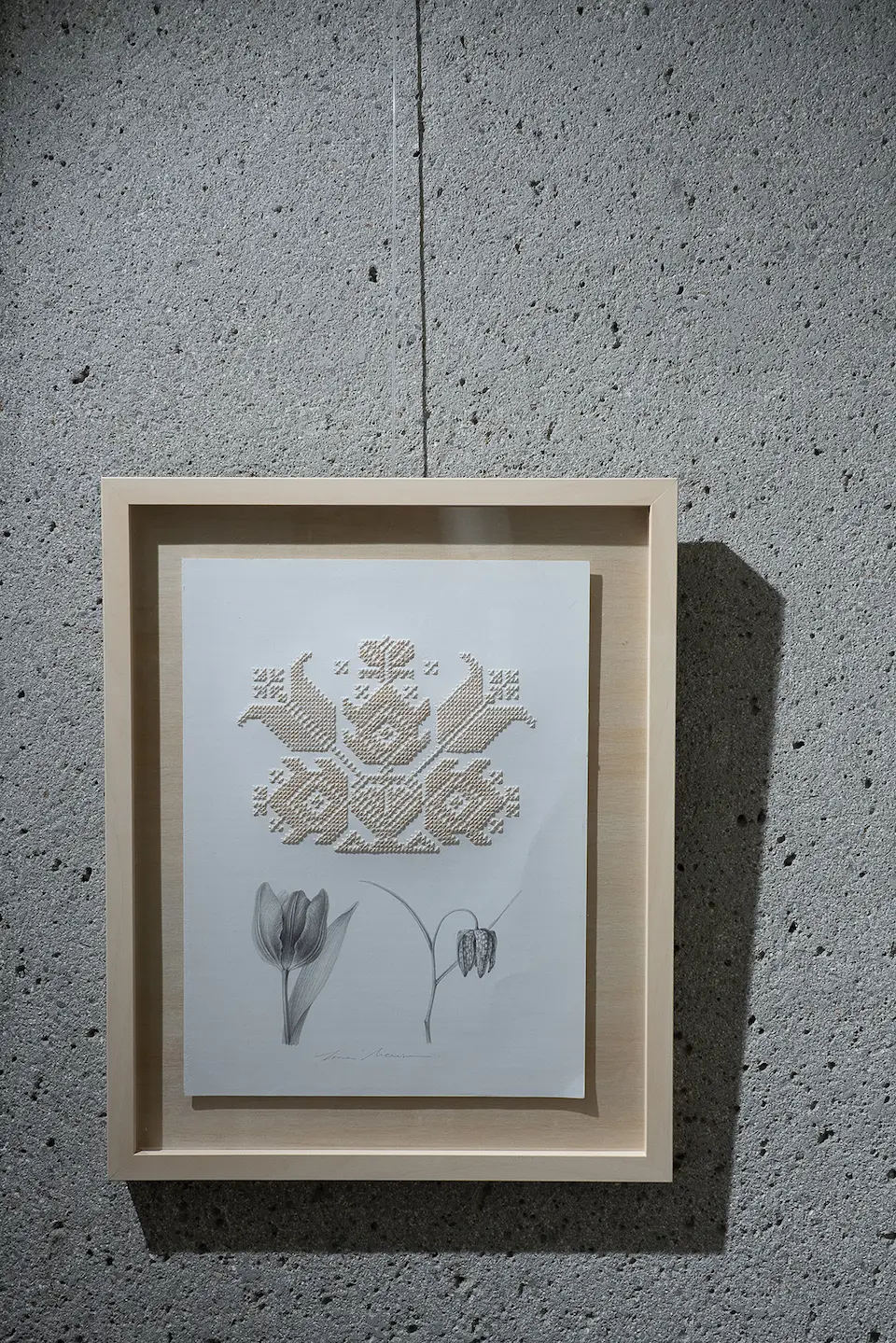
Rooted in botanical observation and the history of cultural landscapes, the project examines the passage from living vegetation to domestic objects, from natural forms to cultural artefacts. Life-sized drawings of plants and trees coexist with fragments of weathered wood, traditional household objects, and stitched interpretations of the Tree of Life inspired by Transylvanian Saxon textile heritage.
The monochromatic language of graphite emphasises the vulnerability of both the artistic medium and the landscapes it represents. Through drawing, collecting, and assembling, Linea Lignea reflects on the gradual disappearance of traditional practices, the shifting meanings of material heritage, and the tension between preservation and transformation.
First presented at the Bucharest Branch of the Romanian Order of Architects (OAR) in February 2026, the exhibition subsequently travelled to King Charles III’s House in Viscri, where it entered into a dialogue with the region’s architectural, ecological, and cultural heritage. Its future display is planned to take place in 2027 in Brașov, at the Multicultural Center of the Transylvania University.
Rather than approaching heritage as a fixed collection of objects, Linea Lignea considers it a living process, shaped by human gestures, natural cycles, and the continuous negotiation between memory and change.
17th International Exhibition of
Botanical Art & Illustration
Hunt Institute for Botanical Documentation, Pittsburgh, PA
The Institute established the International Exhibition of Botanical Art & Illustration series in 1964 with the hope of supporting and encouraging contemporary botanical artists from around the world. This exhibition includes 43 artworks by 43 artists, representing 19 countries (Australia, Chile, China, Colombia, England, Hungary, India, Italy, Japan, Netherlands, Portugal, Romania, Russia, Scotland, Singapore, South Korea, Turkey, Ukraine and the United States).

The path 2023
Art Yourself Gallery, Bucharest, Romania
Inspired by academic research on Romantic sketches and field journaling, “The Path” aims to illustrate the outdoor artist’s studio and cast light on the sketchbook and experiment. Collage becomes both an artistic technique and a means of expressing the unexpected overlap of scientific documentation and distorted memory. Such as the unreal studio-produced Romantic Landscapes, the Path becomes a cabinet of curiosities, collected and narrated through botanical filters.


Botanical Journeys 2023
Botanical art project
An open dialogue between two mountainous rages that share a similar post-coal-mining identity crisis,
The Appalachians and the Carpathians, this project emphasized my journeys between the two areas and the exploration of botanical illustration as visual language of disseminating historical and cultural information. “Botanical Journeys” won the ASBA Esther Plotnik Award in 2023 and was exhibited in the William King Museum of Art, Abingdon, VA, in November 2023-February 2024, followed by the Reece Museum, Johnson City, TN, in May 2025-August 2025.


RHS 2022 botanical art & photography
Botanical art competition
The Royal Horticultural Society’s Botanical Art and Photography Show was held at Saatchi Gallery, London, UK, in April 2022. My exhibit included six 70×50 mixed-media illustrations of Winter Berries Shrubs in Transylvania. With emphasis on the environmental value of these overlooked plants, my artwork won the silver gilt medal.


Wild flowers of Romania, a botanical history
Curatorial project
The ‘Wild Flowers of Romania, a Botanical History’ exhibition, held at the National Museum of Art in Bucharest in 2019, was a testament to my collaborative spirit. It aimed to map Romanian history through the local interest in flowers expressed in visual arts. This project, a successful collaboration between the museum and private archives, facilitated a rich dialogue between various genres, from still lives to botanical illustrations. It juxtaposed different cultural periods, artistic styles, and technical approaches to the same subjects, creating a unique and comprehensive narrative. The exhibition’s opening also marked the launch of the Transylvania Florilegium in Romania, a botanical art project initiated by His Majesty King Charles III to document the wildflowers of Transylvania.


Archive
You can check some of my earlier work here.
Contact
Here to inspire & connect with you.
Email
Instagram
Online Shop
